It’s not just how things work – it’s how they feel.
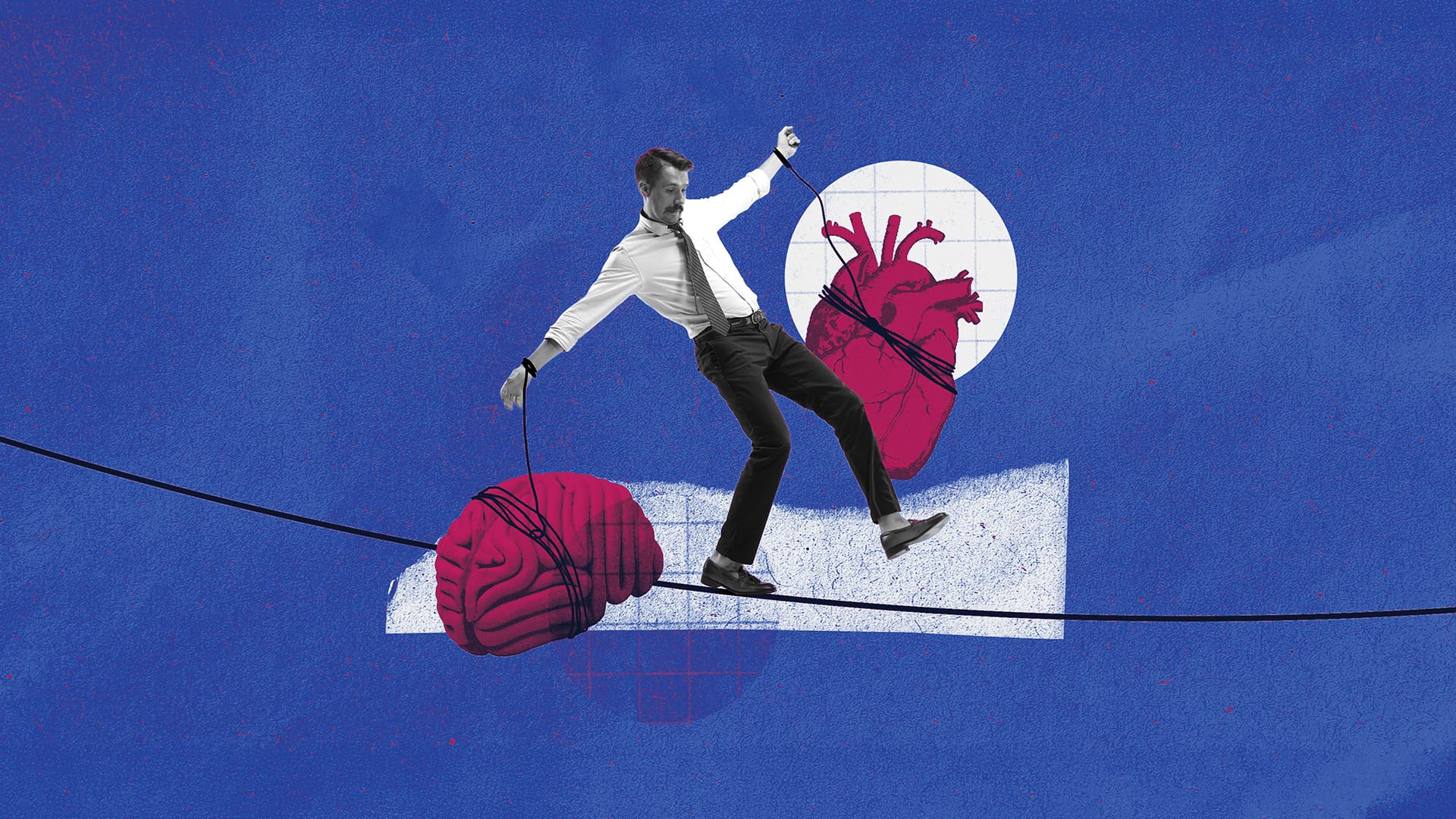
Incentive programs can technically do everything right – and still feel wrong.
Employee engagement, channel incentive and customer loyalty programs are usually designed around mechanics: how points are earned, targets measured, rewards structured. This is out of necessity, and it matters. Programs need to work. The mechanics need to be logistically rigorous and commercially sound.
But this is only a starting point.
If the program design ends there, it will never be a standout program. Because there’s seldom anything novel or exciting about structure. And programs are rarely judged only on how they work. They’re judged also – arguably more so – on how they feel.
The difference between in and all in.
Every organisation wants people to think, “I’ll participate in your program.” Very few get them to feel, “I’m loyal to you.” The first response is transactional. The second is emotional.
Ultimately, the success of any program isn’t just in how many people are part of it, but how deeply they engage with it. And there’s a limit to how deep purely transactional engagement can go.
Transactional relationships can influence behaviour for a while. A discount can drive a purchase. A reward can encourage participation. But if a relationship exists only at this level, it’s fragile, because someone or something else can come along any time and offer more. Another brand can offer a bigger discount. Another company can offer a bigger reward.
What is much more difficult to displace is emotional attachment.
It doesn’t matter how many diagrams or strategic frameworks go into designing a program. If the participants’ experiences – and the way those experiences make them feel – aren’t at the heart of a program, it will have limitations built in.
Have you ever got a birthday message from a service provider? You can imagine the company thinking what a nice gesture that would be. But when you got the message, you knew it was sent with exactly the same wording to thousands of other customers at the exact same moment. The company put systems in place to generate that message, hoping it would make you feel special, but instead it probably ended up making you feel anonymised. And no one wants to feel that way. People don’t want to feel like a number, unless that number is number one. They want to feel recognised, valued, understood.
The difference between transactional and emotional.
Consider these other telling examples:
An employee receives a message recognising five years with the company. It arrives automatically at 2:00am with generic wording, a stock image that could have been sent to anyone, and a small, standard cash reward. Technically, the recognition happened. But emotionally, very little was achieved. At least not positively.
Compare that to an employee at a different company, who receives a message from their manager referencing a specific contribution they made during a difficult project earlier in the year. Their team adds comments and memories underneath it throughout the day. Even if there is no monetary reward, the experience feels personal, human, and genuine. The employee feels appreciated by and connected with their colleagues and the company.
The mechanics in these examples are similar, but the emotional outcome is worlds apart.
Another example:
A sales team is given a new product to try out before it launches publicly. They also receive training, so they understand how the product works, what its great features are, and what makes it special. They’re also introduced to a new incentive program, which makes it clear to them how they’ll earn rewards. An app shows them how they’re progressing, they get communication as they get closer to earning, and when they actually do earn a reward, it’s easy to redeem. Think about how this team will sell the product: confidently, knowledgeably, enthusiastically.
Now imagine that same sales team, and the experience they have with a competitor brand. The first time they see or touch the product is when it’s on the shelves. The only product information they get is a press release. There is an incentive program, and the incentives are actually more valuable, but targets are unclear, there’s hardly any communication to encourage them, and rewards take forever to redeem. Here, friction isn’t just practical – it becomes emotional, too. And it’s hard to imagine this team putting great effort into selling the product.
What the comparison shows is that small moments shape larger emotions. And those emotions influence behaviour where it really matters.
Another example:
One customer spends months accumulating loyalty points for a reward she’s been looking forward to. But when she finally has enough points, she encounters delays, restrictions, and a complicated redemption process. All the emotional momentum and goodwill that built up over time dissolves in a single, frustrating interaction.
Meanwhile, another customer builds up similar anticipation over months, and when the time comes to redeem his reward, he does it in seconds through an app that remembers his preferences and immediately confirms delivery. His experience feels seamless and satisfying, reinforcing his sense that the brand values his time and loyalty.
The difference isn’t just operational. It’s emotional.
The difference between box ticking and heart warming.
The emotional experience is really where effective programs distinguish themselves. So how do you design for emotion? It’s not necessarily through larger rewards or more aggressive mechanics, but through experiences that feel easier, more relevant, and more human.
Ease matters because effort carries emotional weight. The harder a participant has to work to engage with a program, the more emotional resistance builds around it.
Relevance matters because generic experiences rarely create attachment. Participants respond more strongly when communication, rewards and interactions feel aligned to their circumstances and preferences.
Recognition matters because people want to feel visible rather than processed.
Memorability also matters because experiences that leave emotional residue continue influencing behaviour long after the interaction itself has ended.
Programs that don’t go beyond mechanics and fail to consider these things at the design stage will inevitably fall short in participants’ minds and, especially, in their hearts.
On the other hand, a recognition experience that feels thoughtful will communicate care and attentiveness – rather than distance. A loyalty program that feels easy and rewarding will communicate respect for the customer’s time and participation – rather than taking it for granted.
Every single experience communicates something, and participants constantly interpret these signals, even if subconsciously. They want to feel that they’re seen, valued, respected, understood. It’s these kinds of impressions that shape positive feelings about, deep engagement with, and lasting loyalty to you, your company or your brand.
This issue of The Loyalty Lighthouse explores participant experience through that emotional lens, answering:
What does it feel like to work for an organisation?
What does it feel like to sell a brand?
What does it feel like to stay loyal to one?
What does it feel like to anticipate, receive, and remember rewards?
Across employee engagement, channel incentives, customer loyalty and rewards, there’s a common thread:
Mechanics are important. They always will be. But the programs that create lasting engagement and deep loyalty are the ones that understand something deeper: what matters is more than how a program works. It’s how it feels.
How does your program feel?
If you think it may be giving participants the wrong signals, or not enough of the right ones, we can offer some insight. Email andrews@awards.co.za.