A history of engagement; an evolution of consciousness.
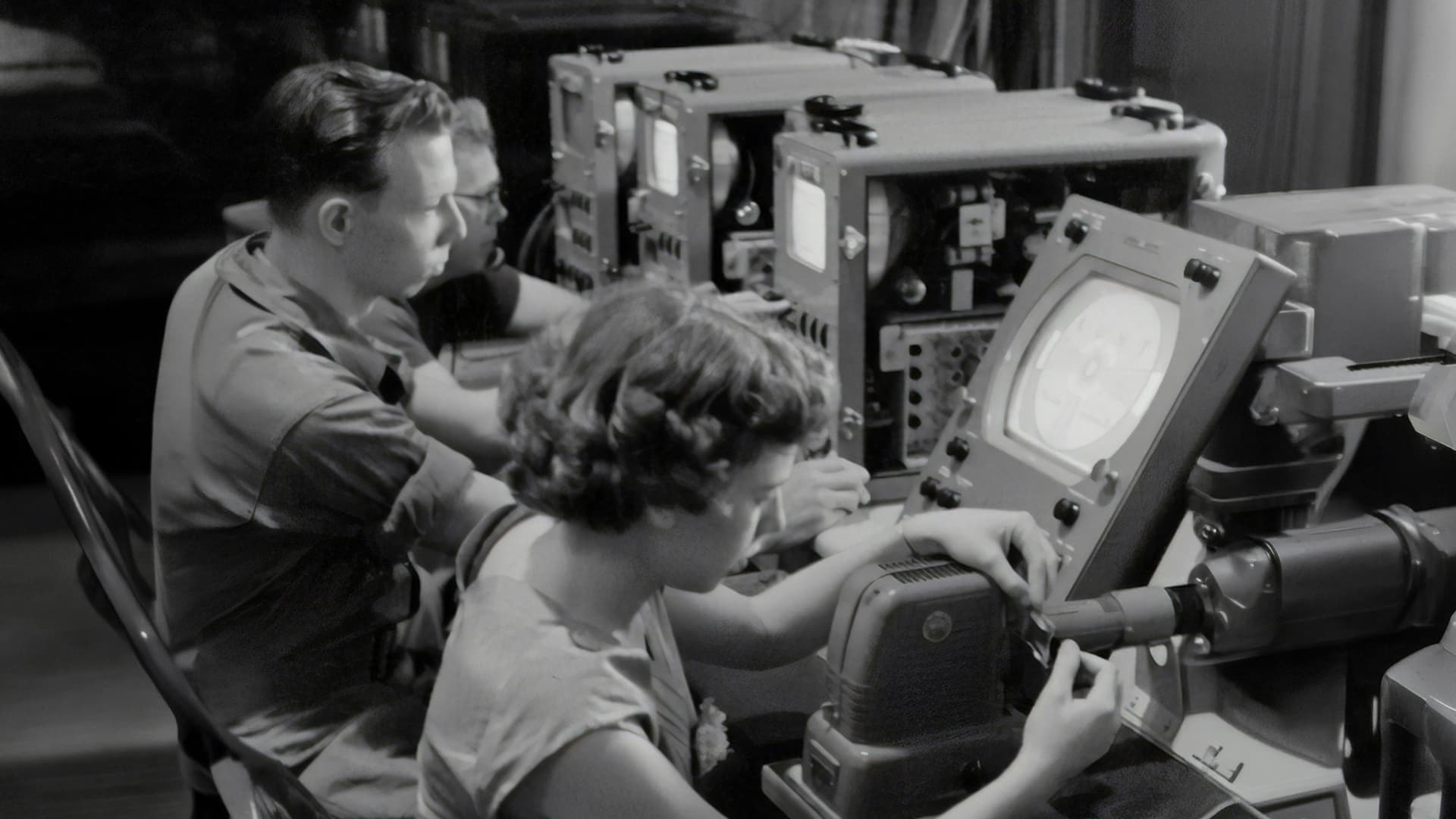
The real innovation in employee engagement has been a growing understanding and appreciation of what makes people tick.
Employee engagement is so embedded in modern organisational language that it’s easy to forget how new the concept really is. For most of industrial history, engagement wasn’t something organisations designed for, measured or even discussed. Work was structured around efficiency, control and output, while people were inputs. If engagement did exist, it was incidental, not intentional.
In this context, one of the most profound and constant innovations in employee engagement hasn’t been technology. Rather, it’s been an evolution in how organisations think about people.
The industrial era: Engagement? What engagement?
The industrial era prioritised productivity above almost everything else. Systems, processes and hierarchies were designed to maximise efficiency and minimise variability. Engagement was neither expected nor required. Compliance came before commitment.
Employees showed up, did their jobs, and were paid for their time. Motivation was largely transactional. If people did feel engaged, it was due to economic necessity, or, perhaps, personal work ethic – factors outside the organisation’s direct control.
By today’s standards this may seem cold and even inhumane, but it reflected the prevailing consciousness of the time: work was something people did because they had to, not because it offered meaning or emotional reward.
The mid-20th century: Engagement as long-term loyalty.
In the 20th century, a different employment model started to take hold, particularly in large organisations. Many people expected and aspired to work for one company for most of their professional lives. Engagement, such as it was, came from stability, rather than experience.
Organisations offered security, predictable progression and a sense of belonging. In return, employees offered loyalty. Recognition existed, but it was infrequent and symbolic, shown in things like long-service awards and retirement ceremonies. These moments mattered, but they were episodic rather than continuous.
This model feels quaint by today’s standards (who can imagine working for one company for 40 years, sustained by the lure of a gold watch at the end of it?) but it worked because it represented the mutual expectation between employers and employees.
The late-20th century: A quiet revolution in thinking.
A real shift began when organisations started to question whether pay, security and tenure were enough to sustain motivation and performance. Was it, for example, worth keeping employees who were comfortable, bored, and not doing their best work? And was it worth it from the employee’s point of view?
Research in organisational psychology and management theory began to surface a more complex picture of human motivation. Thinkers such as Frederick Herzberg challenged the idea that compensation alone drives engagement, distinguishing between hygiene factors and true motivators. Later, psychologists Edward Deci and Richard Ryan demonstrated that motivation is deeply influenced by autonomy, competence and relatedness.
This marked a turning point. The innovation was not a new system or program, but a new understanding: employees are not simply economic actors responding to incentives in a robotic, almost Pavlovian way. They are social, emotional, meaning-seeking individuals.
In this sense, employee engagement was born not as a “product innovation” but as an innovation of consciousness.
The millennium: Engagement becomes explicit.
By the 21st century, this shift in thinking had crystallised into more formal practices. Employee engagement became a recognised discipline. Surveys emerged to measure sentiment. “Employee experience” entered the lexicon. Recognition and incentive programs became more structured and intentional.
Organisations began to move away from once-off rewards towards more regular forms of acknowledgement. The idea that engagement should be designed into everyday work gained traction. Engagement was no longer something to be hoped for; it was something to be intentionally designed for and managed. From the organisational and individual perspective, this was real progress.
But it also introduced a new risk: confusing measurement with meaning. For example, surveys could diagnose engagement, but not create it. Programs could be more mechanical, but not necessarily more meaningful.
The 21st century: A biology lesson.
More recent research has added an enlightening new layer to our understanding of engagement. Neuroscience has helped explain why recognition and feedback matter so deeply, and why frequency is critical.
Recognition can trigger the release of various chemicals. Dopamine produces feelings of satisfaction and motivation, reinforcing behaviour. Oxytocin strengthens trust and social bonds. Serotonin contributes to feelings of status and belonging. These chemical responses are not abstract concepts. They shape how people experience work at a visceral level.
This helps explain why annual bonuses or long-service awards, while still valuable, are insufficient on their own. They are too infrequent to shape behaviour consistently. Engagement, if it is to be sustained, must be reinforced regularly and embedded in everyday experience.
Once again, innovation here has come from new knowledge, which has changed the way we think about engagement, and has helped to align organisational practices with how humans actually function.
The present: Engagement as an always-on system.
Today, employee engagement is increasingly understood as a system rather than a series of moments. Micro-recognition, peer-to-peer acknowledgement and continuous feedback reflect an acknowledgement that engagement is built over time, through accumulation rather than ceremony.
Technology has played an important role in enabling, amplifying and accelerating this shift. Digital platforms make recognition more visible, more frequent and more inclusive – at scale.
Of course, technology must still reinforce behaviours and values that matter. When modern programs fail, it’s often because they are deployed as isolated or one-size-fits-all solutions, disconnected from leadership behaviour or organisational culture. Or, novelty is employed for its own sake, without regard for the human behavioural forces at play. For example, over-gamification can trivialise recognition, and performative gestures can feel inauthentic.
Engagement must have substance, reflecting the accumulation of knowledge and evolution of consciousness around human behaviour and motivation.
The future: Engagement when work is a choice.
Looking forward, the challenge becomes even more profound. As AI advances and flexible work models evolve, employment itself is increasingly being talked about as a choice rather than a necessity. Thought leaders have speculated that within 10 to 20 years we will have significantly shorter work weeks, and that traditional employment may be optional for many.
Some organisations, unable to rely on traditional dependency, may have to work even harder to engage their employees. They cannot be inert. They will have to make sure that recognition is meaningful. They will need to place even greater emphasis on the human dimensions of engagement: respect, autonomy, purpose and connection.
On the other hand, in an extreme scenario, some organisations may feel they don’t need to engage employees since they have so few of them. Instead, they may need to consider the radical idea of how best to engage machines. That might signify the greatest evolution of consciousness yet seen around engagement.
The constant inside the evolution.
Seen across its history, employee engagement has evolved alongside our understanding of people.
The most important innovations have been shifts in perspective – when organisations recognised more, and more deeply, that what matters is how they regard and treat people.
Technology and engagement tools will continue to change. But the underlying human needs they serve remain remarkably consistent. The most powerful innovation has always been in remembering and designing for the fact that engagement, at its core, is respect made visible.
Engagement is changing. So are the assumptions behind it.
If you’re rethinking what engagement means in your organisation, we’d love to explore how recognition, behaviour and culture intersect in practice. Email benvw@awards.co.za


Are you designing rewards for convenience, choice, or connection?

What a 1980s sitcom can teach us about loyalty.

Incentives work. Better-designed incentives work better.