When more is less: abundant rewards and the paradox of choice.
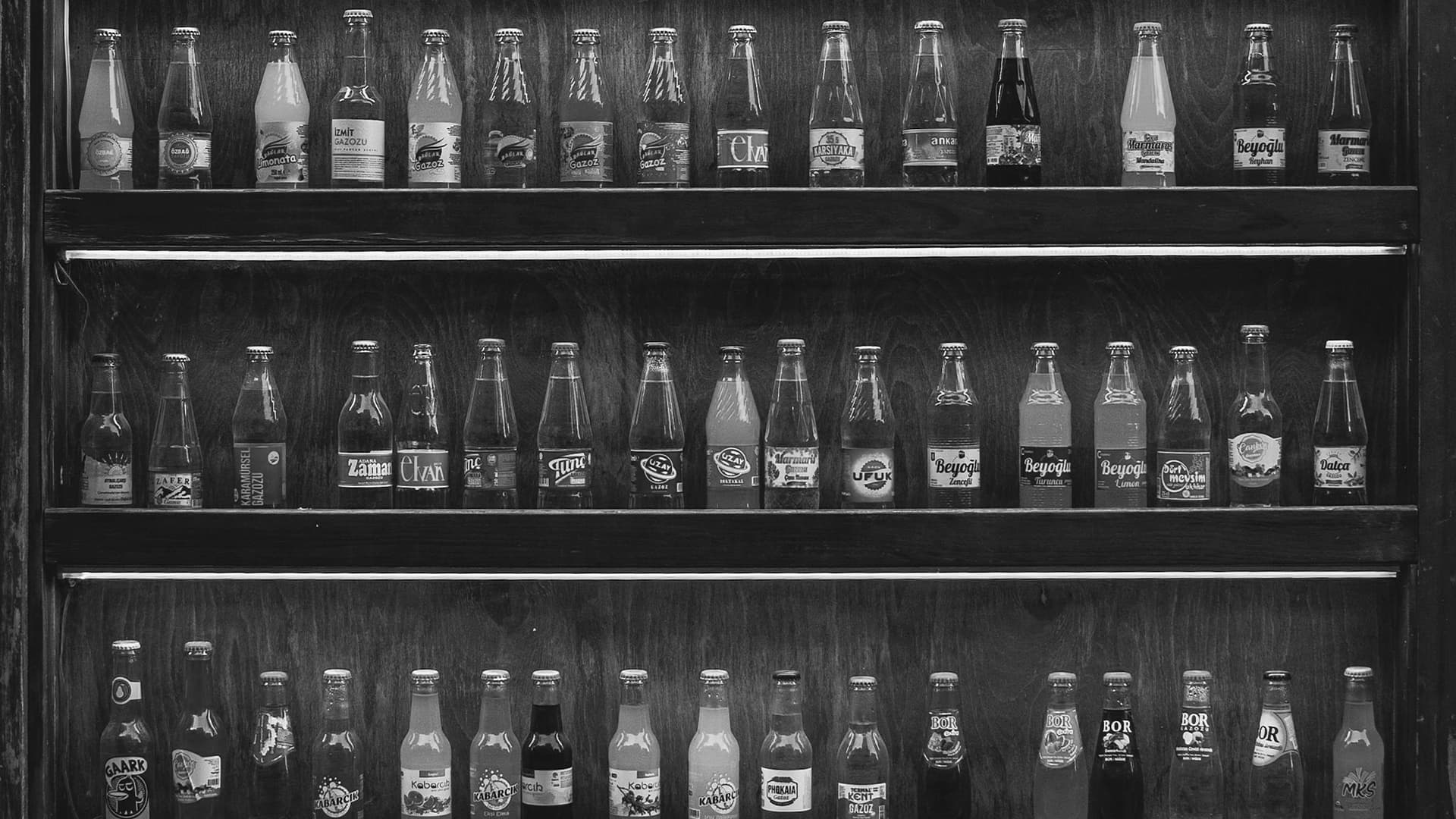
It’s tempting to think that the more rewards there are to choose from, the better. Behavioural science says that’s not true.
The days of rewards catalogues and warehouses are well and truly behind us. Technology has transformed the rewards landscape and today the “catalogue” is almost the entire internet. Organisations can offer almost anything, almost anywhere, almost instantly. Merchandise. Vouchers. Experiences. Travel. Donations. Lifestyle benefits. It’s staggering. And, a little bewildering.
At face value, this looks like progress. Choice feels empowering. Yet, the reality inside many reward programs tells a different story. Points accumulate but go unused, rewards options are browsed but not acted on, and the abundance of choice quietly undermines engagement.
Is more choice actually more valuable?
It’s intuitive to assume that more choice makes rewards more appealing. After all, people are different, with different preferences and motivations. Offering “something for everyone” feels logical, and generous.
Technology has made this assumption easy to act on. Digital platforms have removed the inventory constraints of warehouses or particular brands. Partner networks can expand quickly and new reward categories can be added easily.
But human decision-making doesn’t scale the same way.
Behavioural science has challenged the assumption that more choice automatically leads to greater satisfaction. One of the most influential contributions came from psychologist Barry Schwartz, who popularised the concept of the paradox of choice. His research showed that while some choice is motivating, excessive choice can increase anxiety, reduce satisfaction, and make people less likely to decide at all. When faced with too many options, people experience cognitive overload. They worry about making the wrong decision, or regretting the alternatives they forgo. Choosing is fraught, and it’s an effort.
Subsequent research into decision fatigue reinforced this idea. Decision-making draws on limited mental resources. As those resources are depleted, people simplify, or they postpone or avoid making decisions altogether. Ever spent so long looking for something to watch on your streaming platforms that you end up not watching anything? That’s decision fatigue.
And rewards programs are not immune to this effect.
What this looks like in rewards programs.
In rewards environments, the paradox of choice plays out in familiar ways. Members browse and compare endless options, calculate point values – and then, in a kind of analysis paralysis, do nothing or decide to wait. Their points accumulate, but they rarely redeem.
This isn’t a sign that rewards lack value. It is a sign that the decision cost is too high.
The field of behavioural economics helps explain why. Research by Daniel Kahneman and Amos Tversky showed that people are strongly loss-averse and acutely sensitive to regret. Choosing one reward means not choosing others. The more options available, the greater the perceived risk of making a sub-optimal choice. In this context, “I’ll decide later” becomes a safe option.
Without thoughtful choice architecture – the deliberate structuring and framing of options – even generous reward programs can inadvertently discourage the behaviour they are meant to encourage.
Innovation unintentionally made this worse. Technology solved historical reward challenges, removing geographic barriers, simplifying fulfilment and expanding access. But in doing so, it also made it easier to add options than to curate them. Reward catalogues got bigger, not more meaningful. Choice expanded, but without guidance. Innovation focused on availability and scale – not psychology.
Choice does not equal relevance.
What behavioural science shows us is that people don’t want infinite choice. They want the right choice.
A reward feels valuable not because it exists in a catalogue, but because it feels right for an individual, in the moment it is received. Context and timing matter.
A practical reward may be perfect after sustained effort. An aspirational reward may resonate at a milestone. Recognition may matter more than money in certain moments. But large, undifferentiated catalogues and seemingly infinite options seem to treat all choices as equal when, psychologically, they are not.
That doesn’t mean relevance comes from fewer rewards. It comes from clearer rewards.
What human-centred reward design gets right.
Human-centred reward design starts from a different place. Instead of asking, “What can we offer?” it asks “What is this reward meant to do?”
It begins with understanding:
- who the audience is,
- what motivates them at different moments,
- what behaviour is being reinforced, and
- what the reward is meant to signal.
From there, choice can be designed deliberately. Options can be curated. Recommendations can guide. This is the value of personalisation and hyper-personalisation. The experience can reduce cognitive load instead of adding to it. It’s not restrictive. It’s a form of care.
Sure, catalogues can expand, but the experience of them should be thoughtfully and deliberately shaped, ideally for each individual. Technology should help people decide, rather than leaving them to browse indefinitely or choose open-endedly.
This is the real opportunity for innovation. Not just to give people more options, but to help them make better decisions. Less emphasis on endless choice, and more emphasis on relevance. Rewards can feel intentional and personal – or hyper-personal – rather than generic.
In a world where everything is available, the most innovative thing an organisation can do is help people choose well.
Choice is powerful — but only when it’s meaningful.
If you’re seeing strong participation but weaker redemption or impact, a fresh look at reward design can reveal why. Email natashao@getrewards.com


If innovation isn’t people first, it isn’t real progress.
A history of engagement; an evolution of consciousness.

Features added vs loyalty encouraged: the real power of technology in channel incentives.