The success of any company is based on the contributions of its people. Understanding that employees are not robotic drones and affirming the value of their efforts is a matter of respect. But, additionally, appreciating and celebrating staff accomplishments – from minor achievements to major wins – is also a strategy that helps to instill dedication, commitment and corporate cohesion.
A contented workforce is a more productive one, buoyed by a sense of belonging, pride, and faith in a dependable organisation that shows how much its employees matter through a system of intrinsic and extrinsic recognition. Whether formal, informal, or a combination of both, this strategy serves to humanise, dignify and inspire.
Authentic employee recognition in the South African context.
Nowadays, enlightened leaders realise that acknowledging and rewarding employee performance lays the foundation for a motivated, engaged and loyal team, which ultimately fuels business success. But ensuring that recognition programs speak meaningfully to South Africa’s uniquely diverse cultures requires a key adjunct: authenticity.
In recent years the term “authenticity” has become something of a buzzword in contemporary parlance, but how does it actually translate into real-life situations across our business landscape?
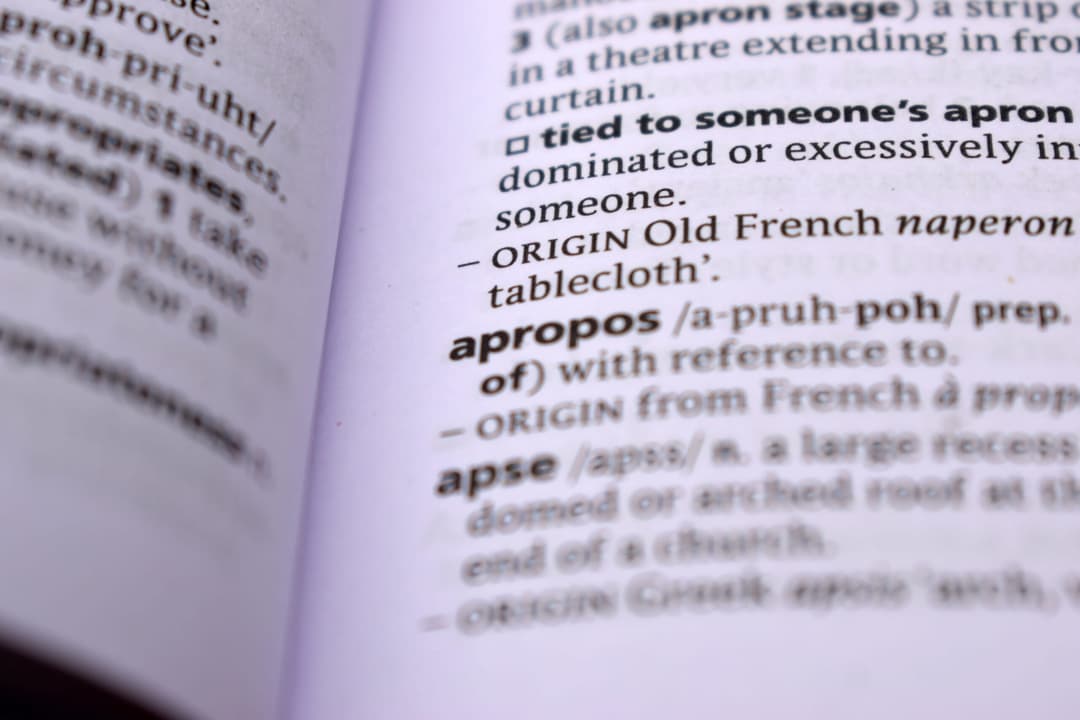
Firstly, let’s deconstruct the adjective “authentic”, which is variously described by authoritative sources as:
- “Of undisputed origin and not a copy; genuine” (Oxford Dictionary)
- “Not false or imitation: real; actual.” (Merriam-Webster)
- “Accurate in representation of the facts; trustworthy; reliable.” (Collins)
All synonyms concur: authenticity is about being real, not forced!
Why some forms of recognition fail.
Regardless of their ethnicity, culture, language, or the niche workplace roles they play, employees are quick to spot recognition that’s feels awkward, glib or fake.
The secret to avoiding common pitfalls is to ask … listen … and take note!
DON’T:
- Try to apply a one-size-fits-all strategy to your workforce.
- Be culturally insensitive or inappropriate.
- Use blanket praise, shallow flattery or empty gestures.
- Be a copycat, with generic cut and paste messaging.
- Bombard staff with inscrutable corporate jargon.
When employees receive affirmation in a way that is heartfelt and unaffected, it enhances their feelings of value and self-worth, which validates the importance of their contributions to the company as a whole.
Know your audience and customise your strategy accordingly, whilst always ensuring that your approach reflects the unique culture and style of your organisation in a natural way.
A workforce-friendly appreciation framework.
DO:
- Be sincere: Make your praise meaningful and genuine.
- Be specific: Give context to compliments. Instead of a generic “well done”, explain what the employee did and the significance of their contribution to the team/client/company.
- Don’t delay: For maximum impact, recognition should be timely and actioned as soon as possible after an employee’s accomplishment.
- Be selective. All-inclusive, generalised praise can dilute individual impact. Whilst positive employee interaction is important, certain recognitions should be reserved only for significant achievements or exemplary work.
- Personalise: Everyone has a distinct preference when it comes to receiving accolades or rewards. Whether it’s public or private, verbal or written, tailor your approach to suit each individual.
- Acknowledge effort: Achievement is not merely about reaching specified goals. Show that you value employee commitment, dedication and positive input as well.
- Be equitable: Recognition should be distributed fairly and consistently according to performance, to avoid perceptions of bias or favouritism.
- Involve leaders: Praise from management and team leaders sends a strong message of affirmation from the top.
- Tangibility rules: Put your money where your mouth is. Whilst intrinsic rewards (personal satisfaction from well-earned praise) go a long way, concrete extrinsic rewards – whether monetary (e.g. performance-based bonuses) or simply in the form of small gifts or gift cards – help reinforce the significance of achievement.
Don’t just talk the talk – authentic recognition in practice.
Numerous studies have shown that tokens of appreciation, however small, foster positive attitudes and encourage performance.
- Personalised messages: Handwritten or digital thank-you notes are a thoughtful and caring touch.
- Congratulatory shout-outs: Employees value public and peer recognition, whether given in team get-togethers, via internal communication channels (WA/email) or posted on company recognition platforms, such as bountiXP.
- “Surprise & Delight” rewards: Little spot awards (retail gift cards, team lunches, afternoons off) are fun and desirable.
- Insight via feedback: Use surveys to gauge how employees prefer to be recognised and apply this input.
By embedding these simple practices into your daily operations, you can create a culture of appreciation in which employees feel seen, acknowledged, and motivated to consistently give of their best.
Authentic recognition needs comms to match.
It stands to reason that effective communication plays a pivotal role in successful employee recognition programs. However, South Africa’s extraordinary cultural and ethnic diversity presents some challenges.
Common culprits in general employee comms often include the use of overly complex, clumsy and unfamiliar business language. Messaging that is weighed down by cold, impersonal ‘corporate-speak’ is alienating.
An accessible, audience-friendly voice is a more thoughtful approach. Based on extensive experience, we favour the following route.
DON’T:
- Use obfuscating marketing terminology, jargon and/or acronyms when addressing participants.
- Patronise audiences or appease readers by dumbing down content.
- Attempt to be more relatable by adding random vernacular words, slang, or trendy phraseology.
DO:
- Conduct research on your readership profile.
- Tailor your messaging accordingly.
- Use clear, concise, plain language that is accessible to and understood by the widest possible audience.
A few examples:
- Use “Competition/Contest/Challenge/Race” rather than “Sprint”
- Use “Qualifying Criteria/Entry Details/How to Enter rather than “Metrics/Measures/Mechanics”
- Use “Meeting Targets” rather than “Compliance”
Building a culture of authentic appreciation.
Authentic staff recognition does far more than just reward – it transforms the workplace into a nurturing environment that boosts morale, fosters camaraderie, imbues a sense of company pride, and improves productivity.
If you want some tips or guidance making your recognition program more authentic, we’d be happy to share some thoughts and insights based on nearly 50 years of engaging people. Fill in the form below and we’ll contact you.